A Mini AHD Camera Module is a compact analog high-definition camera board that carries 1080p or 4MP video over coaxial cable instead of Ethernet. Buyers search for it because they need to keep an existing DVR infrastructure, because their housing is simply too small for a bullet or dome camera, or because they want zero-latency video that does not depend on a network switch. Yet most product pages stop at resolution and price. This guide goes further: it explains the decision framework engineers use, the procurement trends shaping 2025 orders, and the specific questions overseas buyers ask us every week.

Why Analog HD Still Wins in Specific Projects
IP camera modules dominate new installations, but AHD has advantages that matter in narrow niches. Coaxial cable runs hundreds of meters without signal loss and without active network hardware, which makes AHD a natural fit for elevator shafts, long warehouse corridors, parking structures and vehicle-mounted systems. Because AHD video is transported as a native video signal rather than an IP stream, latency stays low — a real requirement in industrial machine vision where the operator needs to see a part move in real time.
There is also a cost angle that is easy to miss. In retrofits where the cabling already exists, replacing a failed analog camera with a 4-in-1 Mini AHD Camera Module avoids the expense of re-cabling a building. That is why distributors in North America, South America and the Middle East continue to reorder small-form-factor AHD boards alongside their IP ranges.
The Four Specifications That Decide Whether the Module Fits
Our engineers review hundreds of RFQs each year, and the same four specifications determine success or failure more than any other factor.
- Board size. 15×15 mm, 25×25 mm, 32×32 mm and 38×38 mm are the four common footprints. A 15×15 mm board fits a pinhole housing or a peephole-style enclosure; a 38×38 mm board leaves room for a full IR-cut filter block and a larger lens mount.
- Standard compatibility. AHD, TVI, CVI and CVBS are different standards. A 4-in-1 switchable module lets one SKU serve multiple DVR brands, which reduces your inventory risk across markets.
- Sensor and low-lux rating. Sony Starvis sensors such as the IMX323 and IMX307 deliver usable colour at 0.001 lux. Confirm the sensitivity figure at the same shutter speed your DVR will use.
- Lens and connector. A pinhole lens solves a concealment problem, an M12 board lens is the most flexible option, and a CS-mount varifocal is best when the field of view must be adjusted on site. Cable length and pinout must match the DVR harness exactly.
Procurement Trends Global Buyers Are Acting On in 2025
Three procurement patterns have become clearly visible in the orders we receive from North America, Europe, the Middle East and Asia this year.
First, buyers are consolidating SKUs. Instead of purchasing separate AHD, TVI and CVI modules, purchasing teams now ask for a single 4-in-1 module that covers several product lines. That logic reduces inventory, simplifies documentation and shortens the qualification process for each new DVR model a distributor carries.
Second, sample quantities are shrinking while qualification depth is increasing. Evaluation orders of one to five pieces are now standard, but buyers test more thoroughly — they check night performance, lens focus consistency and firmware behaviour before committing to volume. Suppliers that keep the same production and QC process for samples and bulk orders are favoured, because the sample actually predicts the delivered quality.
Third, documentation is requested earlier. CE, FCC and RoHS certificates are now asked for at the quotation stage rather than after the PO, particularly for European and North American channels. Buyers also want a clear warranty statement and a named technical contact who can answer integration questions in English.
Where Mini AHD Camera Modules Are Heading Technically
The AHD technology roadmap in 2025 is about squeezing more performance into the same tiny board. Sensor generations keep improving low-light behaviour, so a 2MP module today performs better in a dim lobby than a 4MP module did three years ago. WDR and HDR processing is moving down into the module itself, which matters for ATM vestibules and entrance doors where bright daylight and shadow sit in the same frame.
On the interface side, 4-in-1 switchable output is becoming the default rather than an optional feature. Audio over coax is more frequently requested for kiosk and vending applications. And modular design — separate sensor board, main board and lens holder — is making customization cheaper, because a buyer can change the lens or the board footprint without redesigning the whole camera.
Recommended Mini AHD Camera Modules from Our Range
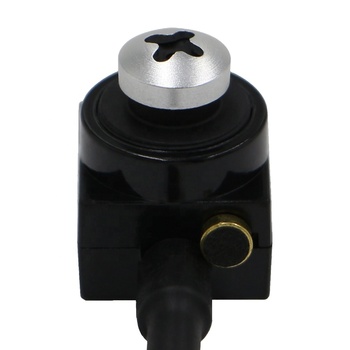
Two models cover the majority of buyer requests we receive. The 1080P Starlight 4-in-1 HD Box Camera is a 50×50 mm module with switchable AHD, TVI, CVI and CVBS output, a 2.8–12 mm CS varifocal lens and optional OSD — a good fit for distributors who need one SKU across several DVR brands. For space-constrained designs, the 15×15 mm 2MP 4-in-1 Pinhole Camera Module uses a Sony IMX323 sensor rated to 0.001 lux with an audio option and PAL output, and is commonly used in ATMs, kiosks and concealed installations. For broadcast and near-zero-latency work, the HD-SDI / Ex-SDI Starlight 40×40 mm module offers a second path. All three can be customized on lens, connector, cable and firmware.
Enterprise Advantages You Can Hold Us To
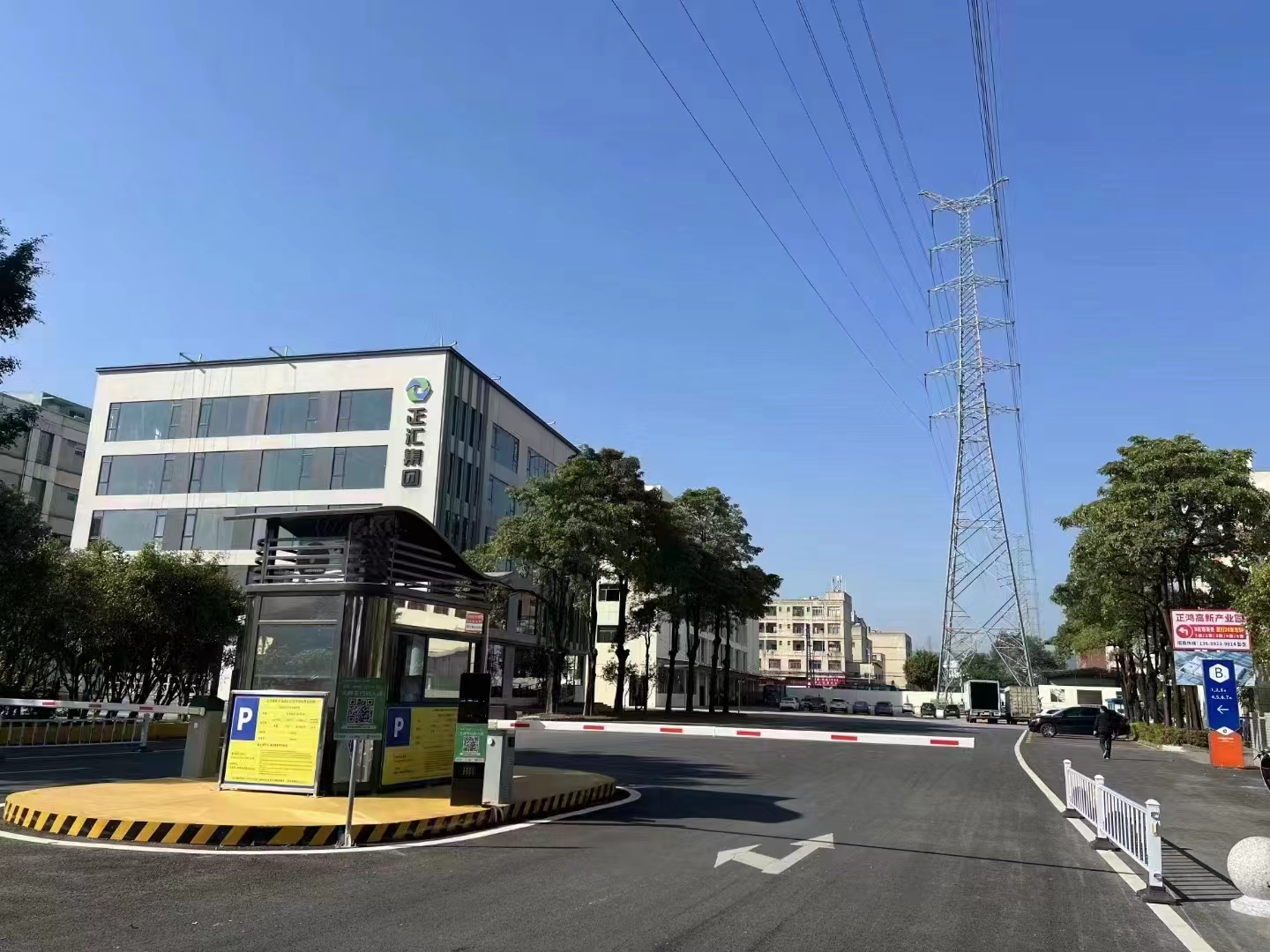
Shenzhen Brekta Electronics Co., Ltd. has designed and manufactured compact cameras since our founding, and our specialty is miniaturization: micro USB camera modules, mini IP boards, pinhole cameras and Mini AHD Camera Modules that fit inside ATMs, VTMs, self-service kiosks, laptops and other intelligent machines. Our global headquarters is in Shenzhen with a branch in Dongguan, and our engineers work in Protel and Allegro to turn customer drawings into stable, certified products.
Four commitments are worth stating plainly. Sample and bulk consistency: the same production and QC process is used for evaluation samples and volume orders, so the sample predicts the delivery. OEM/ODM customization: board size, lens, connector, cable, firmware, logo and packaging can all be adjusted to your product. Documented quality control: incoming materials are tested before assembly, and every finished camera is image-tested before packing; our security cameras carry CE, FCC and RoHS certification. After-sales support: a 24-month warranty, free warranty replacement and lifetime technical support, with replies typically within two hours during working time. Our 98.1% response rate and 51–100 person team speak to how seriously we take that promise.
How to Start an Order
Send us the housing drawing or target specifications by email, together with your DVR model and the market you are selling into. We will reply with a recommended module, a sample plan and the certification documents you need. Most in-stock samples dispatch within one to three working days, and standard modules can be ordered from a single piece for evaluation. Custom OEM/ODM projects are quoted according to lens, board and firmware requirements.